The Ultimate Ramadan (fasting) Productivity Guide: Balancing Work, Worship, and Fasting in 2026

Ramadan in 2026 is anticipated to begin around February 18th, ushering in a sacred month of spiritual reflection, heightened worship, and communal bonding. For many, this also means navigating the unique challenge of maintaining productivity at work while dedicating ample time to spiritual practices, all while fasting from dawn till dusk. It’s a delicate balance, but with the right strategies, you can make 2026 your most productive and spiritually enriching Ramadan yet.
Preparing for Ramadan 2026: Laying the Groundwork
Preparation is key to a smooth Ramadan. Don't wait until the moon sighting; start making adjustments weeks in advance. This proactive approach helps your body and mind adapt more easily to the fasting routine.
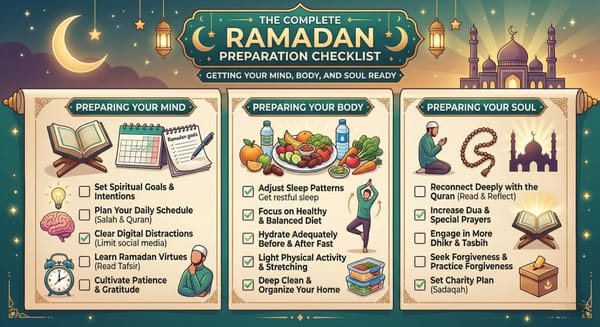
- Gradual Lifestyle Adjustments: Begin shifting your sleep schedule to wake up earlier. Gradually reduce caffeine and processed sugar intake to minimize withdrawal symptoms during the first few days of fasting.
- Workload Prioritization: Identify peak project deadlines or heavy workloads that might coincide with Ramadan. If possible, delegate tasks or complete essential work ahead of time to free up mental space.
- Meal Planning: Start planning healthy Suhoor (pre-dawn meal) and Iftar (break-fast meal) recipes. Consider meal prepping on weekends to save time during the week.
Mastering Your Daily Schedule: Work, Worship, Rest
Effective time management is paramount during Ramadan. Structuring your day thoughtfully ensures you allocate sufficient time for all your responsibilities and spiritual goals.
- Early Start Advantage: Wake up well before Suhoor for prayer and preparation. The early hours are often the most blessed and productive, offering a quiet time for focus before the day's demands begin.
- Prioritize and Batch Tasks: Tackle your most demanding work tasks during your peak energy hours, typically in the morning after Suhoor. Group similar tasks together to improve efficiency.
- Strategic Breaks: Integrate short breaks for prayer, Quran recitation, or brief moments of rest throughout your workday. This helps in maintaining focus and spiritual connection.
- Allocate Time for Worship: Schedule dedicated slots for Quran reading, Dhikr (remembrance of God), and attending Taraweeh prayers (nightly prayers during Ramadan).
Nutrition and Hydration Strategies for Sustained Energy
What and how you eat outside of fasting hours significantly impacts your energy levels, mood, and ability to focus throughout the day.
- Power-Packed Suhoor: Opt for complex carbohydrates (oats, whole grains), lean protein (eggs, chicken), and healthy fats (avocado, nuts) to provide sustained energy. Don't forget fiber-rich fruits and vegetables to aid digestion.
- Hydration is Key: Drink plenty of water between Iftar and Suhoor. Avoid excessive sugary drinks and caffeine, which can lead to dehydration. Herbal teas and electrolyte-rich drinks can be beneficial.
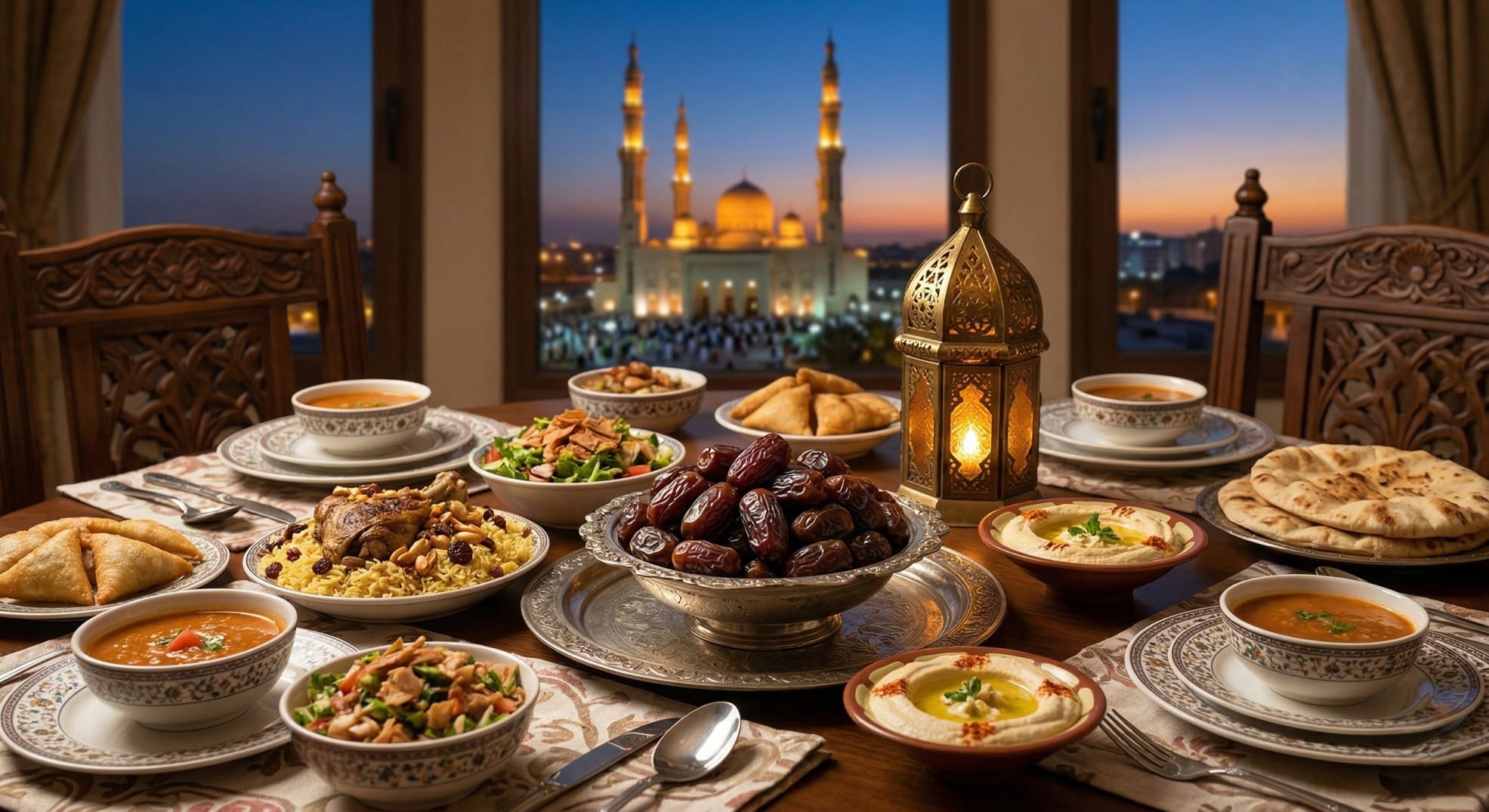
- Mindful Iftar: Break your fast gently with dates and water, followed by a balanced meal. Avoid overeating or consuming too many fried and sugary foods, which can cause lethargy.
Optimizing Worship and Spiritual Growth
Ramadan's core is spiritual elevation. Integrating spiritual practices effectively alongside your daily routine enhances both your productivity and inner peace.
- Set Spiritual Goals: Decide on specific targets for Quran recitation, Dhikr, charity, or extra prayers. Breaking these down into daily achievable goals makes them less daunting.
- Utilize Travel Time: Listen to Islamic lectures or Quran recitations during your commute.
- Evening Reflections: Dedicate a few minutes before sleep for reflection on the day's blessings and challenges, making intentions for the next day.
Well-being and Mindfulness: Avoiding Burnout
Productivity isn't just about doing more; it's also about doing it sustainably. Prioritizing your mental and physical well-being is crucial during Ramadan.
- Short Naps: A 20-30 minute power nap during your lunch break or afternoon can significantly boost alertness and energy.
- Gentle Exercise: Maintain light physical activity, such as walking, preferably after Iftar or in the cooler morning hours. Avoid strenuous workouts during fasting hours.
- Digital Detox: Reduce screen time, especially before bedtime, to improve sleep quality and create more time for reflection and family.
- Seek Support: Connect with family and friends for communal Iftars and prayers. Shared experiences can alleviate stress and foster a sense of belonging.
Leveraging Technology for a Smarter Ramadan
Modern tools can be invaluable allies in managing your time and spiritual goals.
- Prayer Time Apps: Use apps like Muslim Pro or Athan for accurate prayer times and Qibla direction, helping you stay on schedule.
- Quran Apps: Digital Quran apps offer translations, tafsir (exegesis), and audio recitations, making daily Quran study more accessible.
- Productivity Apps: Utilize calendar apps, to-do list managers, or habit trackers to plan your day, set reminders for tasks and spiritual practices, and monitor your progress.
Ramadan 2026 presents a unique opportunity for profound personal growth and enhanced productivity. By meticulously planning, nourishing your body, nurturing your soul, and embracing supportive technologies, you can achieve a harmonious balance between your worldly responsibilities and spiritual aspirations. May your Ramadan be blessed, productive, and filled with immense spiritual rewards!
Download the Mujtama Global App today and join a growing community dedicated to faith and knowledge.
Explore more about our community initiatives on our About Us page
Read more at: Blogs