The Green Fast: How Muslims Around the World are Embracing Eco-Friendly and Sustainable Iftars
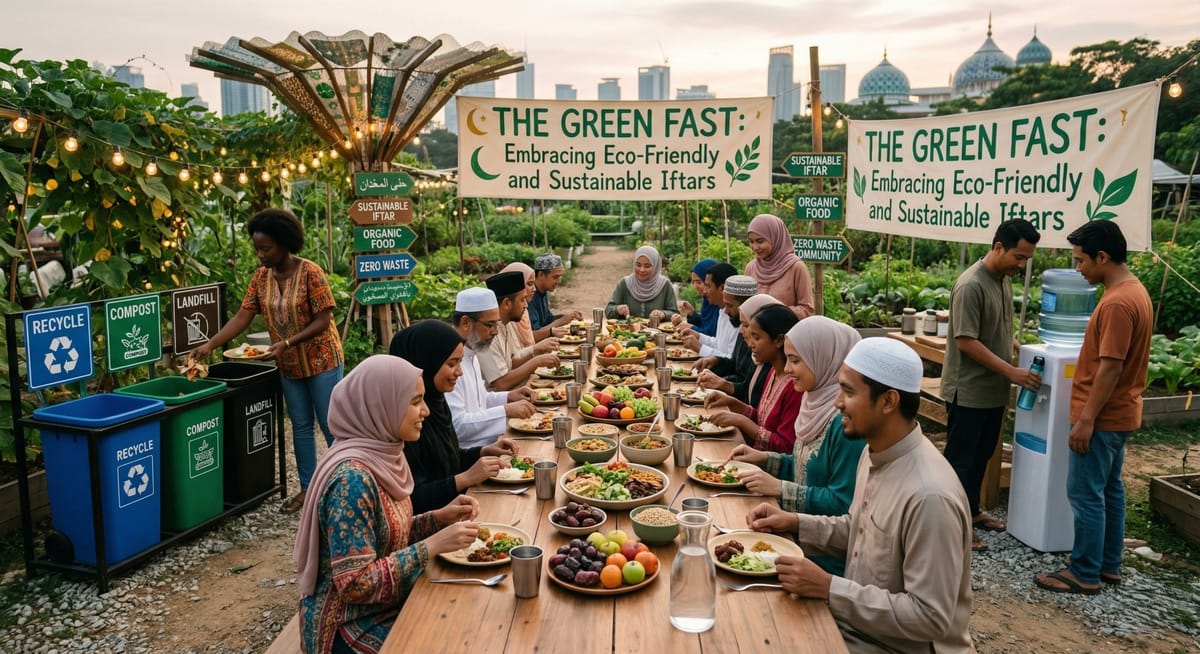
As the crescent moon graces the sky, signaling the holy month of Ramadan, millions of Muslims worldwide embark on a journey of spiritual reflection, prayer, and community. This sacred time culminates daily with iftar, the breaking of the fast, a joyous occasion often shared with family and friends. Traditionally, iftars have been abundant feasts, but a powerful, quiet revolution is unfolding: Muslims globally are now consciously transforming their iftar traditions into sustainable, eco-friendly practices, aligning spiritual devotion with environmental stewardship.
Mindful Consumption and Waste Reduction
The spirit of Ramadan emphasizes moderation and gratitude, principles now being beautifully applied to combat food waste. Families and communities are embracing portion control, ensuring that delicious meals are savored rather than discarded. The focus is shifting from extravagant spreads to thoughtful preparation, utilizing leftovers creatively, and composting food scraps. Beyond food, there's a growing movement to ditch single-use plastics, opting instead for reusable dishware, cutlery, and water bottles, significantly reducing landfill burden during this busy month.
Sourcing Local and Seasonal Delights
Embracing a green iftar also means making conscious choices about where our food comes from. Muslims are increasingly supporting local farmers and markets, purchasing fresh, seasonal produce that not only tastes better but also drastically cuts down on carbon emissions associated with long-distance transportation. This approach fosters stronger local economies and promotes a deeper connection to the earth's natural rhythms, reminding us of the blessings of wholesome, untainted nourishment directly from our surroundings.
Community Initiatives and Sharing for a Greener Tomorrow
The communal aspect of Ramadan provides a fertile ground for sustainable change. Mosques and community centers are leading the way by organizing zero-waste iftars, where volunteers ensure minimal environmental impact. Food drives are redirecting surplus food to those in need, embodying the Islamic principle of charity (zakat). This collective action amplifies individual efforts, creating a ripple effect of positive environmental impact, demonstrating that together, a greener future is not just possible, but actively being built.
The Spiritual Connection to Earth (Khilafah)
At the heart of this eco-conscious movement is a profound spiritual connection. Islam teaches the concept of Khilafah, emphasizing humanity's role as stewards and protectors of Allah's creation. Fasting during Ramadan strengthens our empathy and gratitude, extending to our planet. By choosing sustainable iftars, Muslims are not just observing a trend; they are living out core Islamic values, recognizing that caring for the earth is an integral part of their faith and an act of worship itself. It's a powerful reminder that our daily choices have far-reaching spiritual and environmental consequences.
The Green Fast is more than just a passing phenomenon; it's a testament to the adaptability and inherent wisdom within Islamic traditions. It showcases how a spiritual practice can inspire tangible, positive change for our planet. As Muslims around the world break their fast, they are not only nourishing their bodies and souls but also nurturing the earth, creating a truly blessed and sustainable Ramadan for generations to come. This Ramadan, let us all be inspired to embrace the green fast, making every iftar a step towards a healthier planet.
Download the Mujtama Global App today and join a growing community dedicated to faith and knowledge.
Explore more about our community initiatives on our About Us page
Read more at: Blogs